
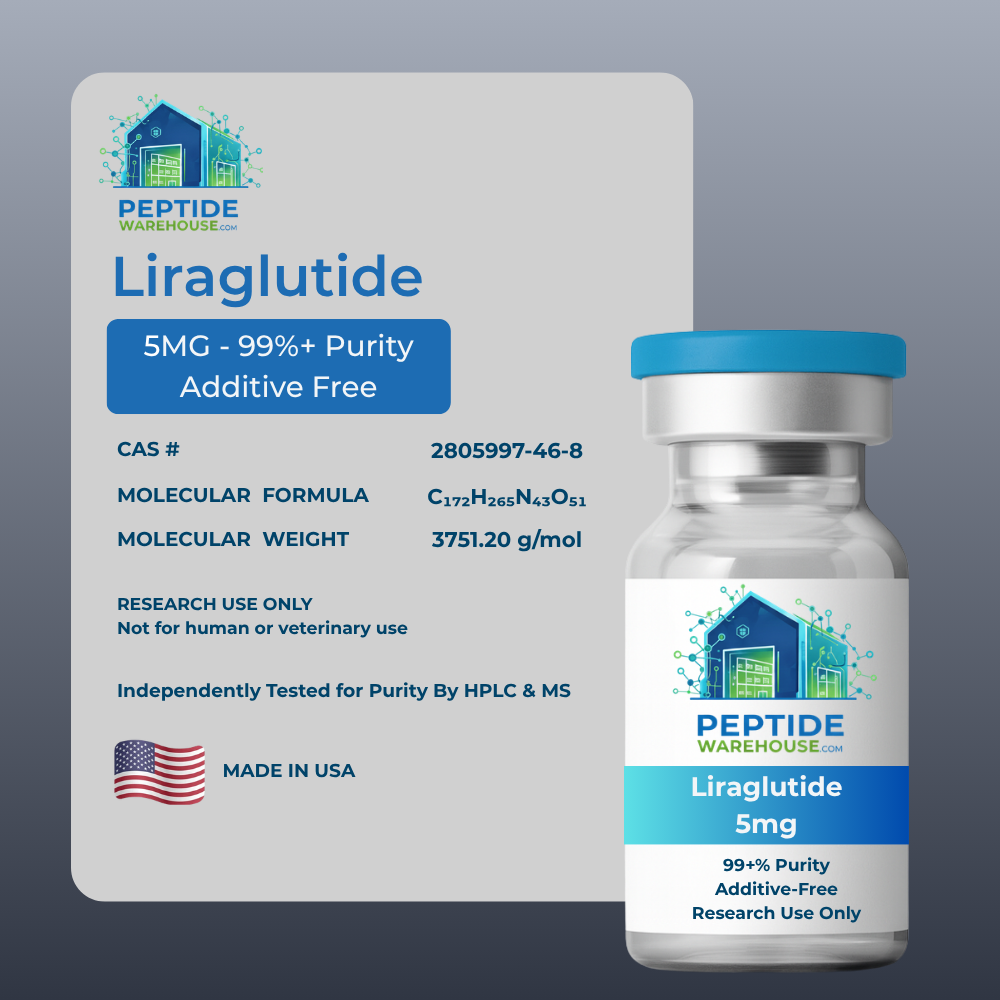
Liraglutide
$89.99
Liraglutide – Research-Grade GLP-1 Receptor Agonist Analog
Liraglutide is a synthetic peptide analog of human glucagon-like peptide-1 (GLP-1), engineered with a single amino acid substitution and a C16 fatty-acid (palmitoyl) side chain that promotes albumin association and extended stability in experimental systems. This acylated modification distinguishes Liraglutide from native GLP-1 and from short unmodified incretin fragments. In laboratory research settings, Liraglutide is utilized as a reference material for studying incretin receptor interactions, peptide–receptor binding dynamics, and comparative structure–activity relationships within GLP-1–associated pathways.
The lipidation and sequence modification give Liraglutide physicochemical properties distinct from both endogenous GLP-1 and later-generation multi-receptor analogs, allowing researchers to examine receptor engagement, peptide persistence, and signaling behavior in vitro without reliance on full-length native hormones. Its defined sequence and reproducible synthetic profile support controlled use in mechanistic assays, comparative peptide studies, and exploratory biochemical research conducted under controlled laboratory conditions. This material is intended strictly for laboratory research use only and is not designed for human or veterinary application.
Related research compounds
All GLP and GIP peptides ·GLP-1 (S) · GLP-2 (T) · GLP-3 (R) · Mazdutide · Survodutide · Cagrilintide
Documentation and methods
Analytical testing · How to read a COA · Batch COAs · Storage and handling · What are research peptides
Related products
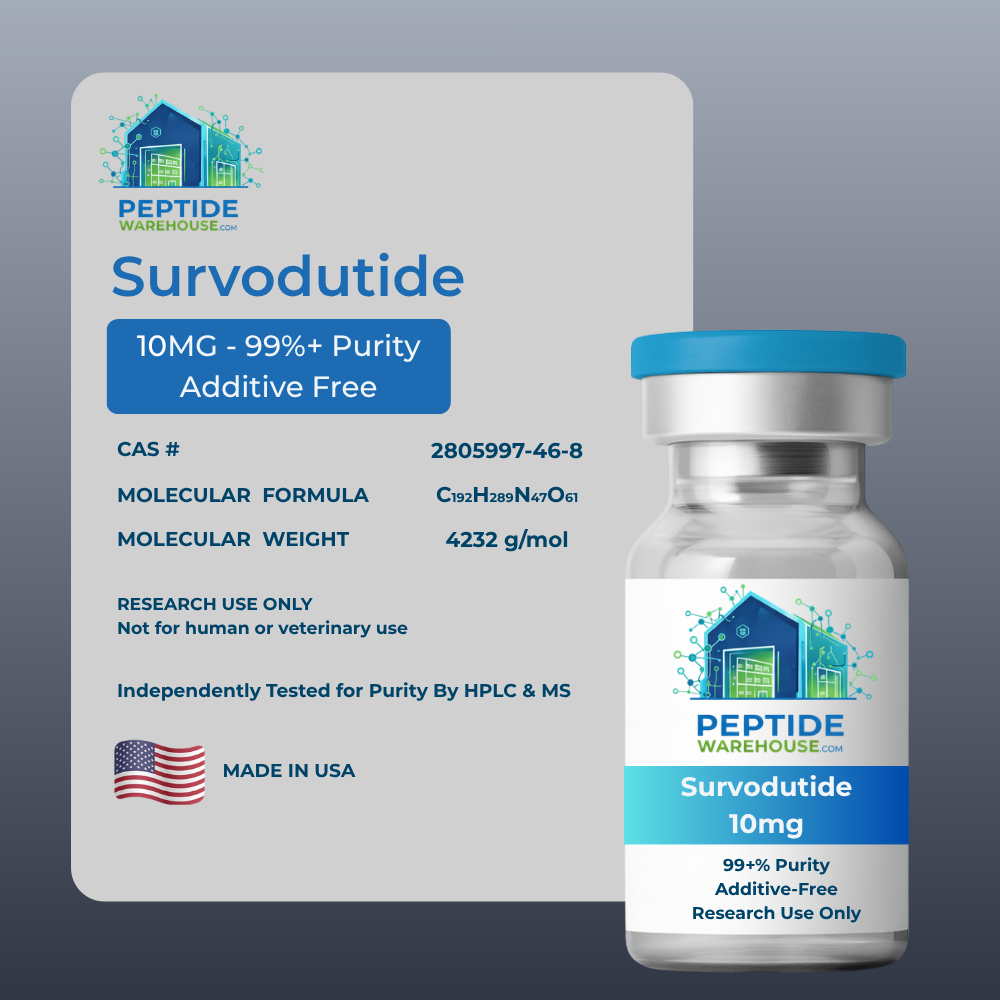
GLP and GIP Peptides
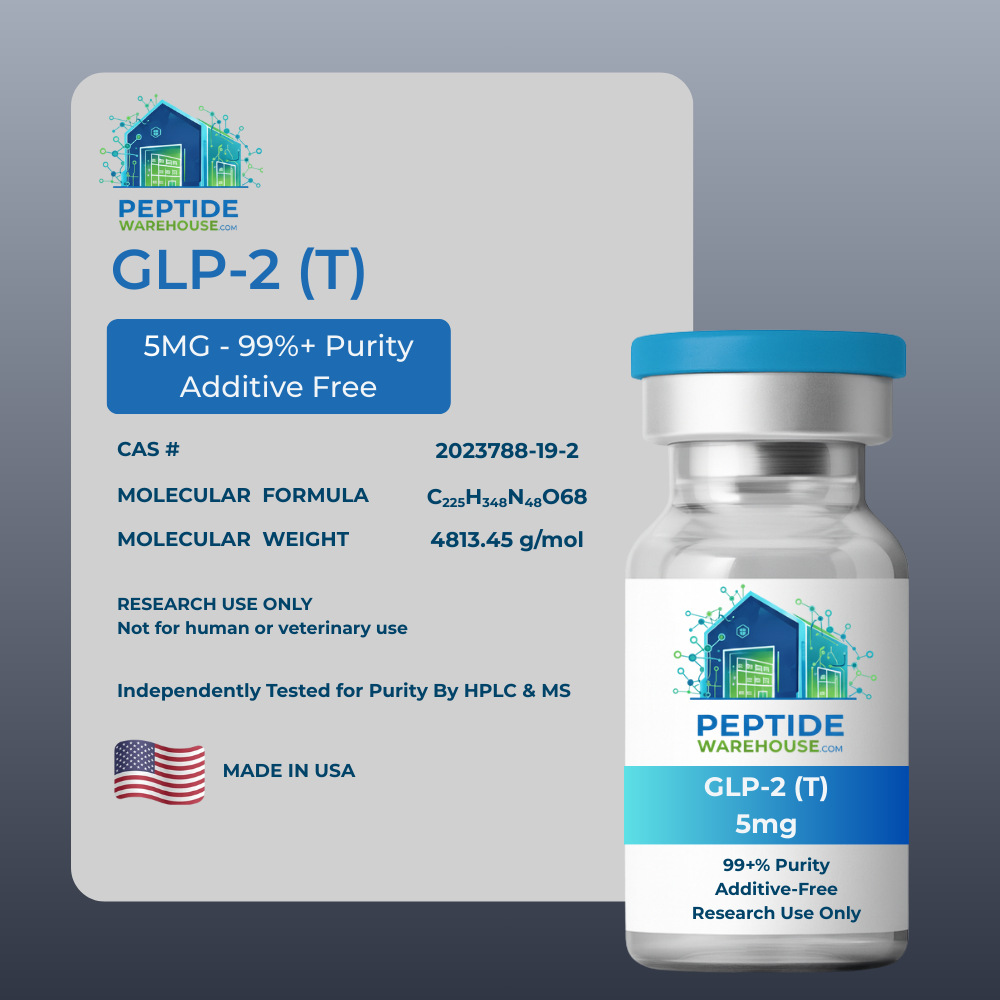
GLP and GIP Peptides
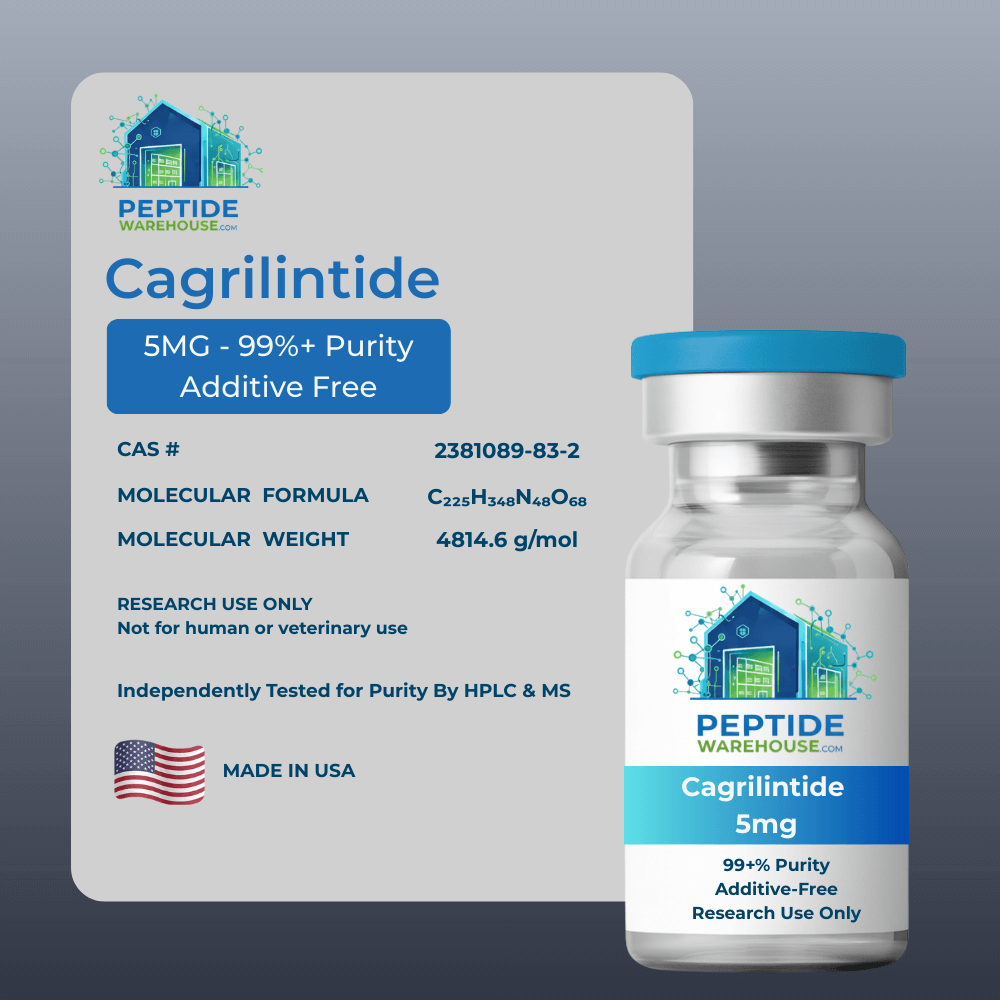
GLP and GIP Peptides